
When an old dog stops eating, it’s one of the most concerning changes an owner can notice.
Appetite loss in senior dogs is rarely random and often signals discomfort, illness, or a deeper underlying problem that needs attention.
Table of Contents
Old Dog Stops Eating: Why It Happens
When an old dog stops eating, it’s usually because their body no longer feels well enough to support normal appetite.
Pain, nausea, organ disease, dental problems, and age-related changes can all interfere with hunger signals and make eating uncomfortable or unappealing.
In senior dogs, appetite loss is not a normal part of aging and should always be taken seriously, especially if it lasts more than a day.
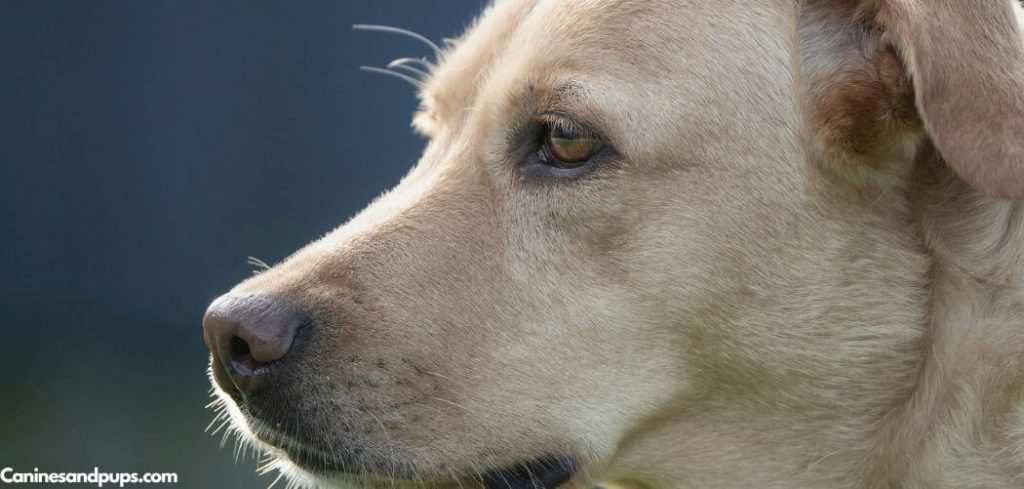
Old Dog Stops Eating: Symptoms
When an older dog stops eating, it’s often a sign that something is wrong, especially if the change is sudden or lasts more than a day. Signs include:
Complete refusal to eat or skipping multiple meals
Noticeable weight loss or muscle loss
Lethargy or reduced interest in normal activities
Nausea signs such as lip licking, drooling, or turning away from food
Vomiting or changes in stool in some cases
Weakness or decreased energy levels
Old Dog Stops Eating: Common Causes
Dental Disease and Mouth Pain
Dental problems are one of the most common reasons an old dog stops eating.
As dogs age, tartar buildup, gum disease, loose teeth, infections, or abscesses can cause significant pain when chewing. Even soft food can become uncomfortable, leading a dog to avoid eating altogether.
Dogs with dental pain may drop food, chew on one side of the mouth, paw at their face, or show bad breath, but in many cases appetite loss is the first clear sign.
Nausea
Nausea can shut down appetite quickly in senior dogs. Conditions such as gastritis, acid reflux, pancreatitis, constipation, or intestinal inflammation make dogs feel queasy even if they are not actively vomiting.
When eating makes nausea worse, dogs instinctively stop eating.
You may also notice lip licking, swallowing repeatedly, drooling, or restlessness, which often accompany nausea-related appetite loss.
Chronic Pain
Pain elsewhere in the body can indirectly cause an old dog to stop eating.
Arthritis, spinal disease, hip pain, or muscle soreness can make standing, bending, or reaching a food bowl uncomfortable.
Over time, dogs may associate eating with discomfort and gradually lose interest in meals.
Pain also triggers stress hormones that suppress appetite, even when the digestive system itself is healthy.
Kidney Disease
Kidney disease is a very common cause of appetite loss in older dogs.
As kidney function declines, waste products build up in the bloodstream. These toxins cause nausea, mouth ulcers, altered taste, and general malaise, all of which reduce appetite.
Dogs with kidney disease often drink more water, lose weight, and become lethargic alongside refusing food.
Liver Disease
Liver problems can significantly affect appetite. The liver plays a key role in digestion and toxin removal.
When it isn’t functioning properly, toxins accumulate and interfere with normal metabolism, leading to nausea and food aversion.
Loss of appetite related to liver disease may also be paired with vomiting, diarrhea, yellowing of the eyes or gums, or changes in behavior.
Cognitive Dysfunction and Confusion
Cognitive decline can alter eating habits in senior dogs. Dogs with age-related cognitive dysfunction may forget mealtimes, fail to recognize food, or become confused by familiar routines.
This can cause them to skip meals even when they are physically able to eat.
In these cases, appetite loss is often accompanied by pacing, nighttime restlessness, staring, or changes in sleep patterns.
Stress
Emotional stress can suppress appetite, especially in older dogs. Changes such as moving homes, schedule disruptions, new pets, boarding, or loss of a companion can overwhelm senior dogs. Stress hormones interfere with digestion and reduce hunger signals.
Older dogs tend to be less adaptable, making them more prone to appetite loss during stressful periods.
Medication Side Effects
Many medications commonly prescribed to senior dogs affect appetite. Pain medications, antibiotics, heart drugs, and certain supplements can cause nausea, altered taste, or stomach irritation.
Appetite loss may begin shortly after starting a new medication or changing a dose.
This cause is especially important to consider if appetite loss coincides with recent treatment changes.
Serious Systemic Illness
In some cases, an old dog stopping eating is an early sign of serious disease.
Cancer, advanced organ failure, infections, or inflammatory conditions often reduce appetite before other symptoms become obvious. Because older dogs have less physiological reserve, appetite loss can progress quickly.
Any prolonged or unexplained refusal to eat warrants prompt veterinary evaluation.
Read more: Old Dog Eating but Losing Weight (What it means)
What to Do
Start by offering a calm, comfortable feeding environment.
Ensure food and water bowls are easy to access and placed at a comfortable height to reduce strain. Sometimes small changes can make eating easier for dogs with pain or mobility issues.
Try warming food slightly to enhance aroma, or offer a bland, vet-approved option if nausea is suspected. Avoid frequent food switching, which can worsen digestive upset.
Monitor closely how long your dog has refused food and whether they are still drinking water. Lack of both food and water is especially concerning in senior dogs.
Do not force feed or give human medications, as these can cause harm or mask important symptoms.
When to Call or Visit Your Vet
Contact your veterinarian if your old dog has not eaten for more than 24 hours.
Seek prompt care if appetite loss is accompanied by vomiting, diarrhea, lethargy, weight loss, pain, labored breathing, or behavior changes.
Immediate veterinary attention is needed if your dog refuses both food and water, appears weak, or seems uncomfortable even at rest.
Read more: Old Dog Lethargic, Not Eating and Drinking (What it means)
Old Dog Stops Eating: Treatment
Treatment focuses on identifying the underlying cause through physical exams, bloodwork, and possibly imaging. Common causes include dental disease, organ dysfunction, infections, or pain.
Treatment may include medications to control nausea, stimulate appetite, or relieve pain, along with dietary adjustments such as switching to more palatable or easily digestible food. If dehydration or weakness is present, fluid therapy may be needed.
Addressing the root cause is essential, and early intervention helps prevent further complications and supports recovery.
Key Takeaway
When an old dog stops eating, it’s rarely just a passing phase. Appetite loss in senior dogs is often the body’s way of signaling pain, illness, or internal imbalance that needs attention.
Early observation, supportive care, and timely veterinary involvement can make a significant difference in comfort and outcomes. Trust your instincts—if your dog’s eating habits change, it’s always worth taking seriously.


